The unique appeal of land wholesaling lies in its significantly less competitive landscape compared to traditional residential property flipping, and the reduced emotional attachment typically found with vacant land sellers. This environment presents a more forgiving and potentially lucrative market for astute investors.
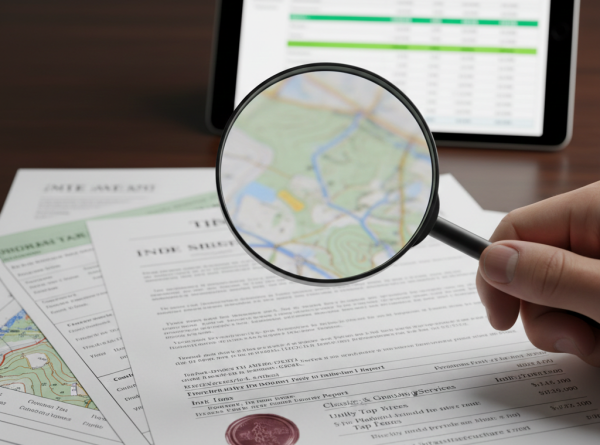
While land wholesaling is often recognized for its comparatively simpler process and due diligence requirements when contrasted with residential properties, it is imperative to understand that thorough due diligence remains the most robust defense against unforeseen liabilities and the cornerstone of securing profitable, low-risk deals.
Acquiring land, whether for a rapid wholesale flip or a longer-term holding strategy, necessitates a strategic approach to financing. This article explores the two primary pathways for land acquisition in the United States: cash purchases and seller financing. Each method carries distinct advantages and disadvantages that significantly influence capital outlay, risk profile, and the speed at which transactions can be executed.
Buying land with the intention of building your primary residence is fundamentally different from a speculative wholesale investment. In wholesaling, the goal is rapid, profitable resale to a builder; when building your home, the goal is long-term habitability, cost predictability, and personal satisfaction. Because your personal capital and future are on the line, the due diligence must be even more meticulous.
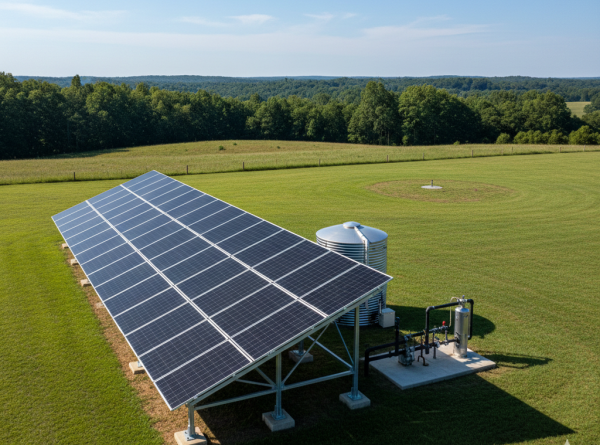
The allure of off-grid living—self-sufficiency, privacy, and low utility bills—is powerful. However, purchasing land without access to established public utilities introduces a new tier of cost, complexity, and ongoing maintenance. For land parcels that are truly remote, understanding how you will provide for basic human needs is paramount.
Many first-time land investors and buyers focus solely on the negotiated purchase price. However, a significant portion of the total investment is sunk into costs that occur after the contract is signed but before the land is ready to sell or build upon. Ignoring these items is the fastest way to erode your wholesale margin or bust your construction budget.
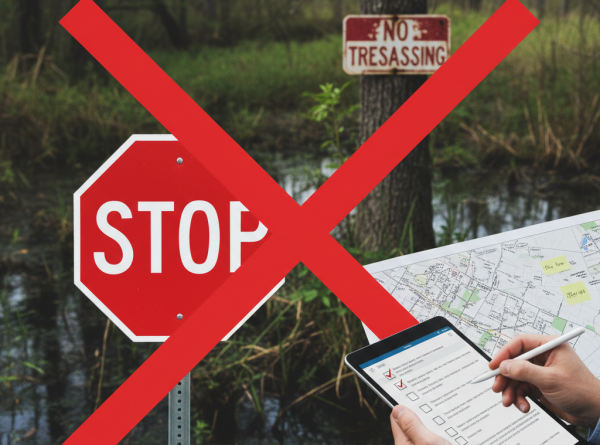
Success in land investing is as much about identifying and avoiding bad deals as it is about finding good ones. Red flags are warning signs that a property may have underlying, costly, or legally complex problems that will destroy your profit margin and slow down your flip. Your due diligence must be a relentless search for the reasons not to buy a property.